20 Old-Fashioned Homemaking Habits Worth Bringing Back
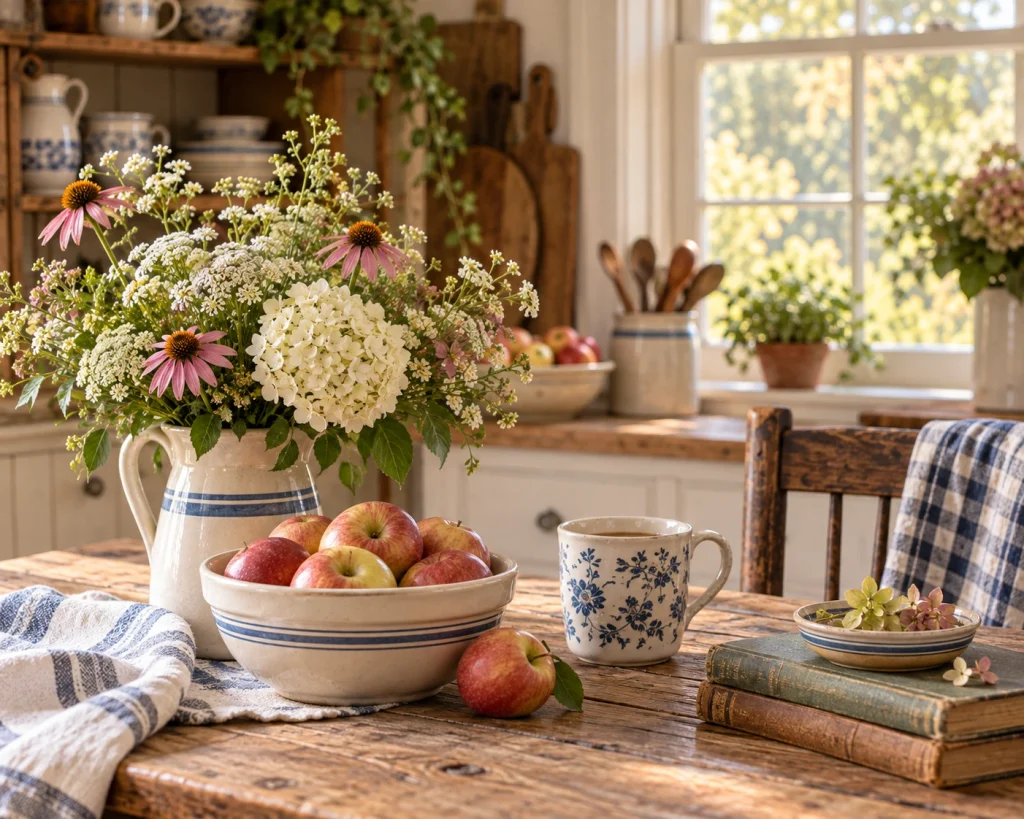
20 Old-Fashioned Homemaking Habits Worth Bringing Back
Homemaking looks a lot different than it did a few generations ago. We have washing machines, dishwashers, robot vacuums, grocery delivery, and enough specialized cleaning products to tackle stains we didn’t even know existed.
And I’m certainly not suggesting we give any of that back.
But our mothers, grandmothers, and great-grandmothers practiced some homemaking habits that still make a surprising amount of sense today. They knew how to care for what they had, waste less, keep everyday life running smoothly, and make a house feel like home.
Of course, the past wasn’t perfect. Homemaking was often harder and far more time-consuming than it is today. There’s no need to trade your washing machine for a washboard just to prove you’re committed to old-fashioned living.
But there are some old ways worth remembering.
Here are 20 old-fashioned homemaking habits that deserve another look.
1. Making the Bed Every Morning
It’s such a small thing, but walking into a bedroom with a made bed somehow makes the whole room look more put together.
It doesn’t have to involve twelve decorative pillows and a complicated arrangement that takes longer to assemble than the bed itself. Pull up the sheets and blankets, straighten the pillows, and call it good.
Even if the rest of the bedroom isn’t perfect, you’ve already accomplished something before breakfast.
2. Opening the Windows to Air Out the House
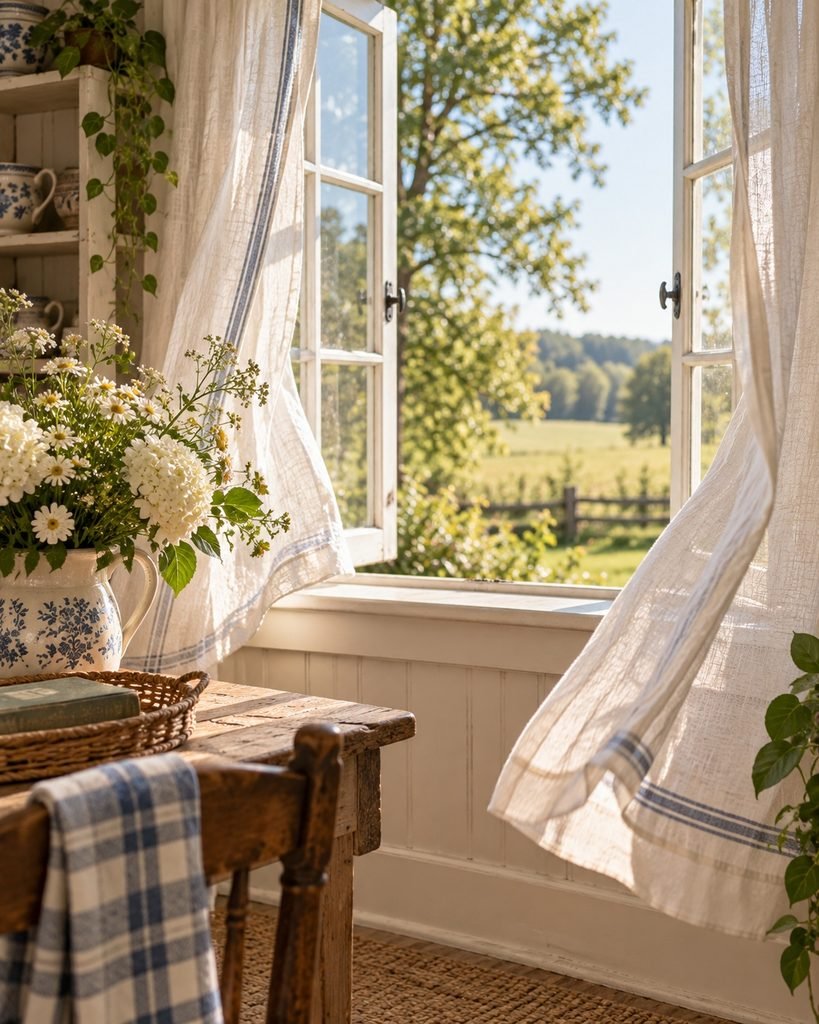
Before central heating and air conditioning kept our homes sealed up much of the year, opening the windows was a normal part of homemaking.
On a pleasant spring or fall morning, turn off the HVAC for a while and let the fresh air in.
There’s something about a breeze moving through an open window that makes the whole house feel fresher.
Just check the pollen count first. Some old-fashioned habits are considerably less charming when you’re sneezing every thirty seconds.
3. Having a Regular Cleaning Routine
Previous generations didn’t have an app reminding them that the bathroom hadn’t been cleaned in nine days. Household chores simply had a rhythm.
Monday might be washday. Another day was for ironing, baking, or cleaning.
You don’t need to recreate Grandma’s exact schedule, but having a basic weekly cleaning routine can keep household chores from piling up until Saturday becomes one enormous cleaning marathon.
A little done regularly is usually easier than everything done desperately.
4. Hanging Laundry Outside
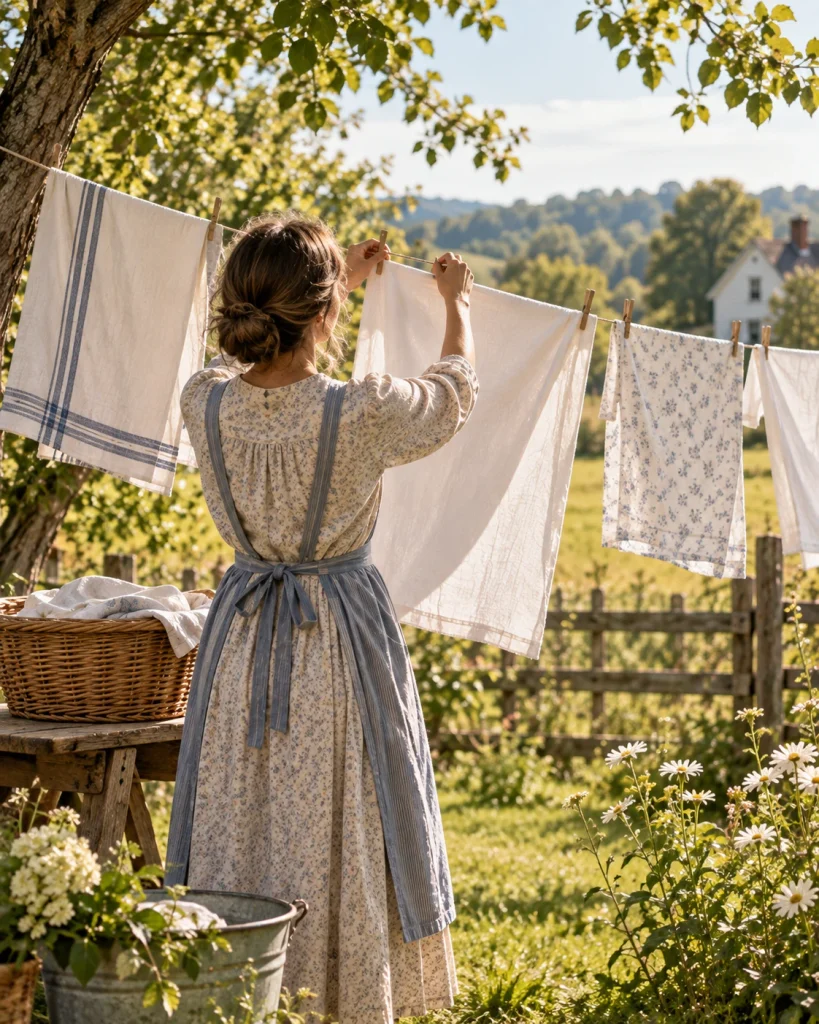
Few things say old-fashioned homemaking quite like sheets blowing on a clothesline.
A simple clothesline and a good supply of sturdy wooden clothespins are really all you need to get started.
Line drying saves electricity, gives you an excuse to spend a few minutes outside, and leaves sheets with that unmistakable fresh-air smell.
You don’t have to give up your dryer. Even hanging an occasional load of towels, sheets, or blankets outside lets you enjoy one of the simplest pleasures of traditional homemaking.
The weather, of course, gets a vote.
5. Wearing an Apron
Aprons used to be everyday household equipment rather than something pulled out for a Christmas baking photo.
And they’re surprisingly practical.
An apron protects your clothes while you’re cooking, baking, cleaning, gardening, or doing messy household jobs.
A good apron with pockets also gives you somewhere to put the clothespins, garden scissors, recipe card, or whatever else you were holding five minutes ago and can no longer find.
Sometimes Grandma really did know best.
6. Keeping a Well-Stocked Pantry
A stocked pantry makes everyday cooking considerably easier.
That doesn’t mean preparing for a twelve-year interruption in the food supply. It simply means keeping the foods and household basics you regularly use on hand.
Flour, sugar, oats, rice, pasta, beans, canned tomatoes, broth, baking supplies, herbs, and spices are a good start. The same principle applies to things like soap, laundry supplies, toilet paper, light bulbs, batteries, and basic first-aid supplies.
I also like large glass storage jars for frequently used dry goods because you can see at a glance when something is running low.
The goal isn’t to stockpile everything you might conceivably need until your spare bedroom resembles a general store. It’s simply to avoid discovering you’re out of an essential item at the worst possible moment.
7. Planning Meals Around What You Already Have
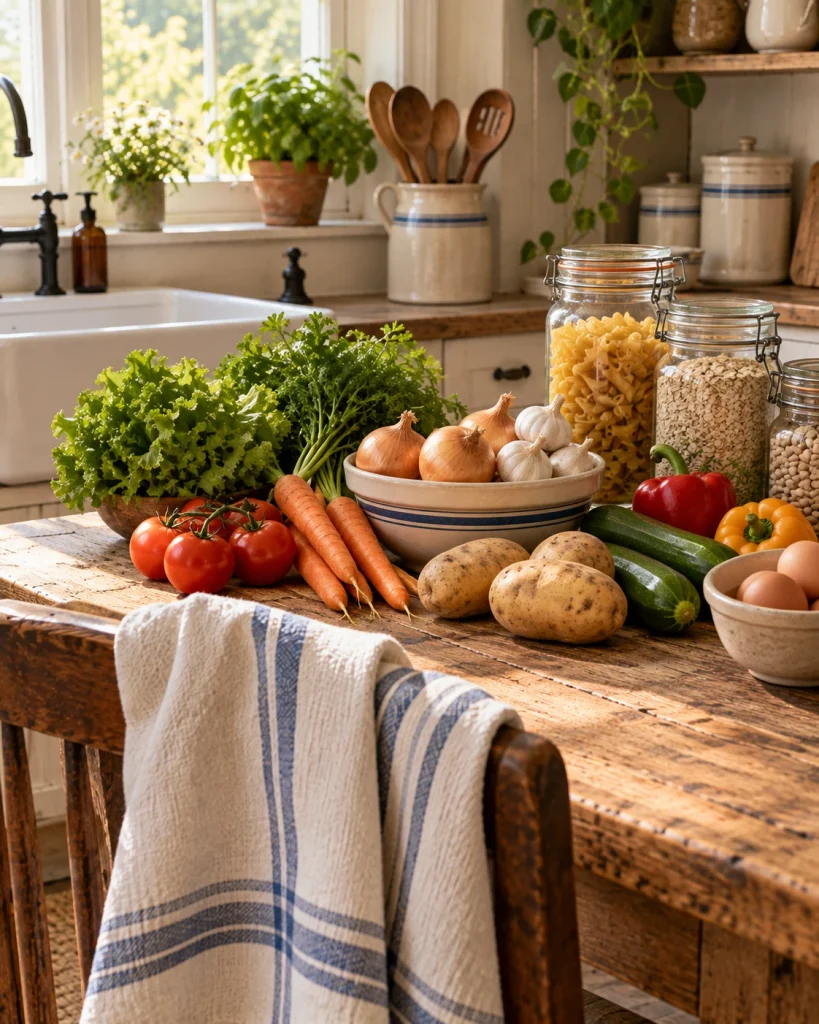
Before making the week’s meal plan, take a look around the kitchen.
What’s hiding in the freezer? Which vegetables need to be used? Is there half a bag of potatoes beginning to develop ambitions of becoming a garden?
Start there.
Planning meals around food you already own is one of the simplest ways to reduce waste and lower the grocery bill.
Our grandmothers might not have called it “shopping your pantry,” but they certainly understood the idea.
8. Cooking More Meals at Home
Home cooking doesn’t have to mean elaborate meals made entirely from scratch seven nights a week.
Sometimes dinner is roast chicken and homemade biscuits.
Sometimes it’s scrambled eggs and toast.
Both count.
The useful old-fashioned habit is simply knowing how to feed yourself and your family from the ingredients in your kitchen rather than depending on takeout or prepared food for every meal.
A small collection of simple, dependable recipes is worth far more than a folder containing 300 recipes you’ll probably never make.
9. Using Leftovers
Older generations were remarkably good at making one meal become another.
Sunday’s roast might become Monday’s sandwiches and Tuesday’s soup. Mashed potatoes could become potato cakes. Stale bread might become breadcrumbs, stuffing, croutons, or bread pudding.
Leftovers weren’t sad containers pushed toward the back of the refrigerator until everyone agreed enough time had passed to throw them away.
They were ingredients.
Before tossing something, ask yourself: Could this become part of another meal?
10. Setting the Table for Ordinary Meals
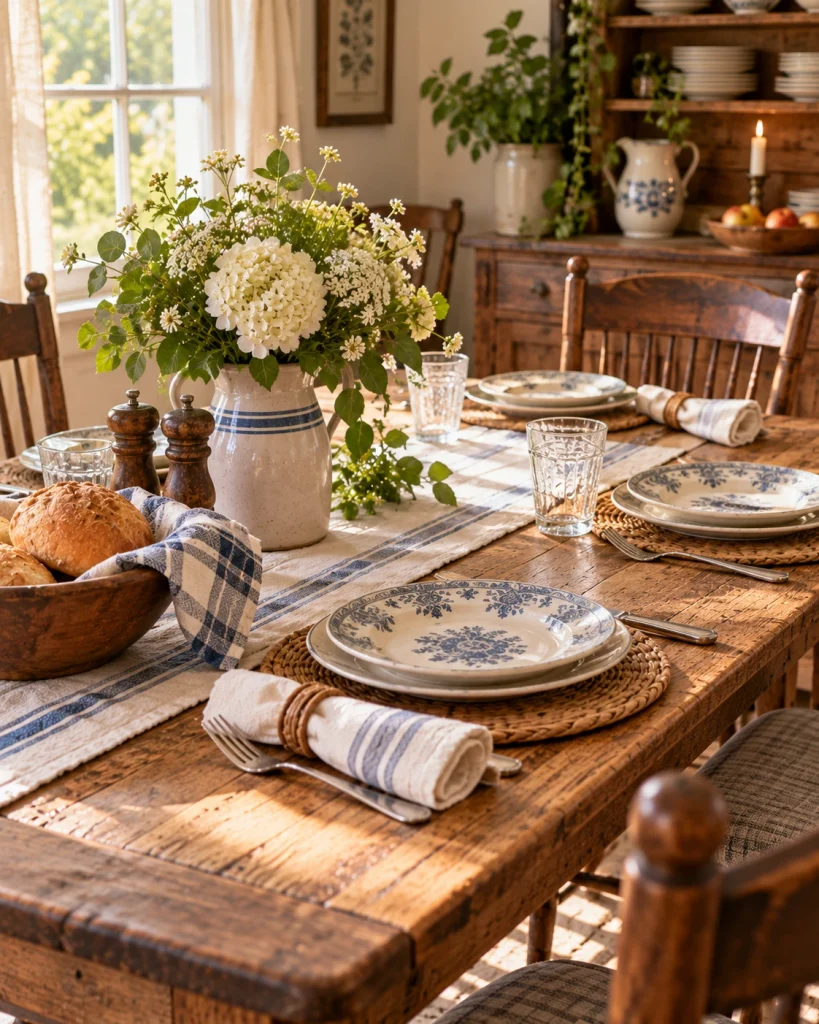
You don’t need fine China, cloth napkins, or candles to set a welcoming table.
Put out the plates. Add the silverware. Set down a pitcher of water. Maybe put a little vase of flowers in the middle.
It takes only a few minutes, but it signals that sitting down together matters.
We tend to save our nicest homemaking efforts for holidays and company. There’s something lovely about making an ordinary Tuesday dinner feel worth gathering for too.
A set of simple washable cloth napkins is one small touch that can make an everyday table feel a little more special.
11. Bringing a Little Bit of Nature Indoors
Old-fashioned homes weren’t necessarily filled with expensive floral arrangements.
Sometimes there were flowers cut from the garden, lilacs from the yard, herbs in a crock, or branches brought inside with the changing seasons.
You don’t have to spend $25 at the florist every week.
A handful of daisies, autumn branches, fresh herbs, or even greenery from the yard can make a room feel alive.
Just make sure nothing comes inside with eight legs and an apparent desire to become part of the family.
12. Mending Before Replacing
A loose button shouldn’t mean the end of a shirt.
Neither should a tiny tear, loose hem, or small hole.
Basic mending used to be ordinary household knowledge because clothing was valuable and expected to last.
You don’t need to become an expert seamstress. Learning to sew on a button, repair a hem, and make a few simple stitches will take care of many everyday problems.
A basic sewing kit with needles, thread, scissors, pins, and a tape measure is enough for most simple household repairs.
It’s satisfying to rescue something that otherwise might have been thrown away.
13. Having a Baking Day
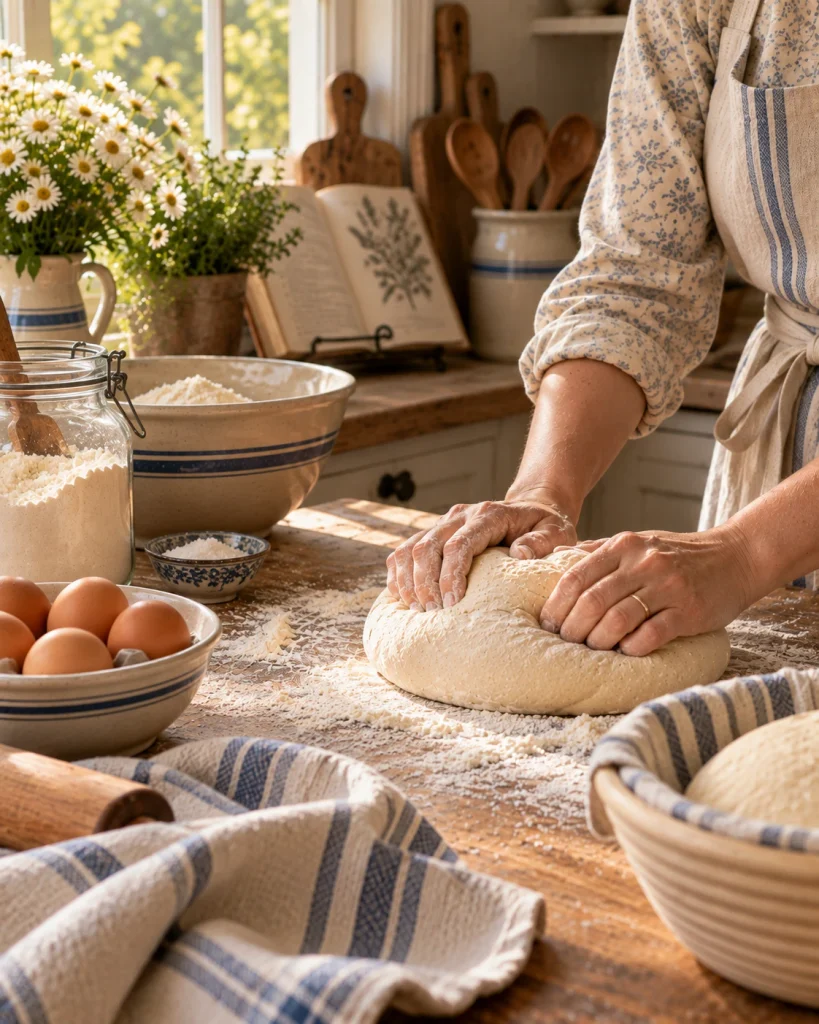
Many homemakers once had a regular day for baking bread, pies, cakes, biscuits, or other foods needed for the week.
Most of us probably don’t need an entire baking day anymore, but the basic idea is still useful.
If you’re already heating the oven and making a mess with flour, why not make two loaves of bread instead of one? Or bake muffins for the freezer while you’re making something else?
Batching similar kitchen tasks can save time later.
If homemade bread becomes a regular habit, a cast-iron Dutch oven is one of those kitchen tools that can be useful for far more than bread.
And if the house happens to smell like freshly baked bread all afternoon, that’s hardly a drawback.
14. Taking Care of Linens
Sheets, towels, tablecloths, quilts, and blankets were once household possessions people expected to use for years.
Good linens still can last a long time when they’re cared for properly.
Wash them appropriately, treat stains before they set, repair small tears, dry them carefully, and store special pieces properly.
And don’t be afraid to actually use the nice things.
A beautiful tablecloth sitting untouched in a closet for thirty years isn’t fulfilling much of a destiny.
15. Cleaning the Kitchen Before Bed
There are few things less inspiring than walking into yesterday’s dirty kitchen first thing in the morning.
You don’t need to scrub the room from ceiling to floor every night.
Wash or load the dishes, wipe the counters, put away the food, and give the sink a quick rinse.
Ten or fifteen minutes in the evening can make tomorrow morning feel considerably more peaceful.
Future You will be grateful.
16. Keeping a Household Notebook
Before phones contained calendars, grocery lists, recipes, reminders, appointments, and approximately 14,000 photographs, many homemakers kept household information together in a notebook.
It’s still a useful idea.
A household notebook can hold meal plans, cleaning routines, freezer inventories, garden notes, favorite recipes, maintenance information, seasonal checklists, gift ideas, and anything else that helps keep your home running.
You can use an ordinary notebook, or a household planner or binder if you prefer having dedicated sections for everything.
There’s also something satisfying about writing things down on actual paper.
And unlike your phone, a notebook has never distracted you with a notification halfway through making the grocery list.
17. Preparing for Tomorrow the Night Before
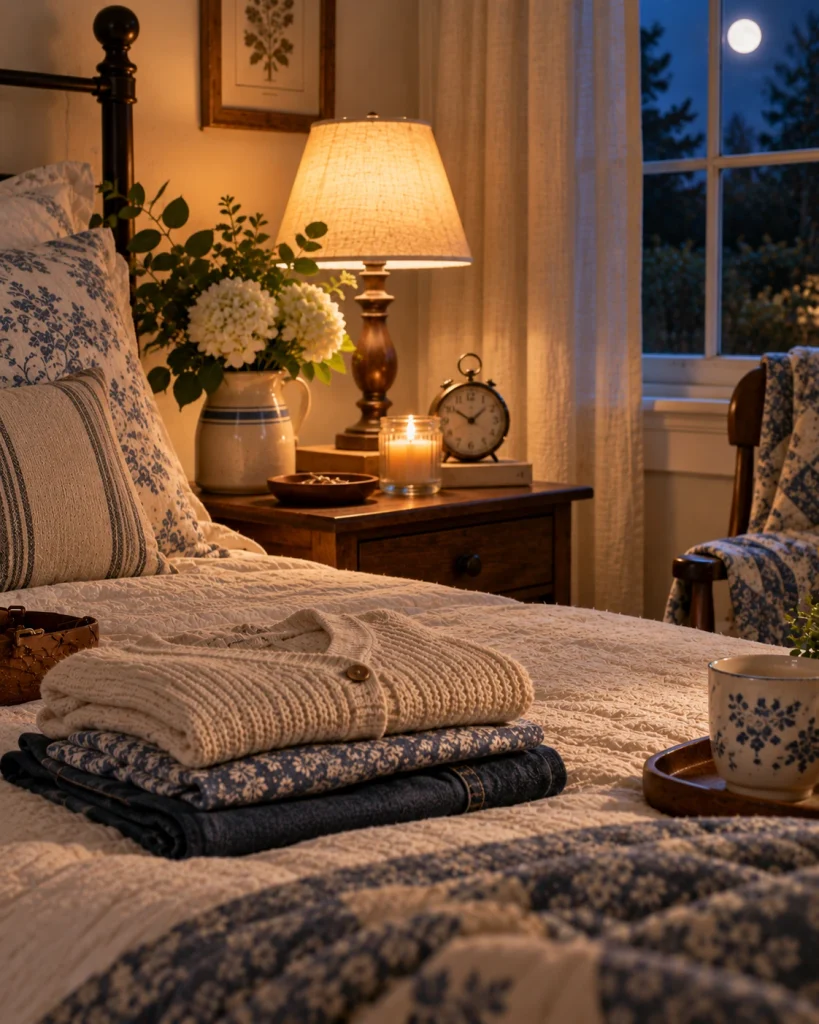
A few minutes of preparation in the evening can prevent a surprising amount of morning chaos.
Lay out what you’ll need. Check the calendar. Make sure breakfast ingredients are available. Put things that need to leave the house near the door.
You don’t need an elaborate evening routine.
The idea is simply to ask:
What can I do tonight that will make tomorrow easier?
It’s one of those habits that feels insignificant until you start doing it regularly.
18. Making Guests Feel Welcome
Hospitality doesn’t require a spotless house or an impressive meal.
People generally remember how they felt in your home more than whether there were crumbs underneath your toaster.
Offer something to drink. Give them a comfortable place to sit. Put the kettle on. Serve whatever you have.
A homemade cake is wonderful.
Store-bought cookies placed on a plate are also cookies.
The important thing is making people feel that you’re glad they’re there.
19. Taking Pride in Everyday Household Work

There are plenty of household jobs nobody is going to applaud.
No one sends flowers because you cleaned the refrigerator.
There are no awards ceremonies for finally matching all the socks.
But ordinary work has value precisely because it makes everyday life better.
A swept floor, clean sheets, a warm meal, folded laundry, and an orderly kitchen aren’t glamorous accomplishments. They’re small acts of care repeated over and over again.
Homemaking doesn’t have to be perfect to be worthwhile.
20. Making Home a Place People Want to Be
Maybe this is the old-fashioned homemaking habit underneath all the others.
A home isn’t made welcoming by expensive furniture, perfect decorating, or spotless rooms.
It’s created through hundreds of small things.
Something good cooking in the kitchen. A lamp glowing in the evening. Clean sheets on the bed. A comfortable chair. Laughter around the table. Someone who notices when you’ve had a hard day.
The details will look different in every household.
But the goal is much the same: make home a place where the people you love are glad to return.
Old-Fashioned Homemaking Doesn’t Mean Living in the Past
There’s plenty about modern homemaking worth keeping.
I’ll take the washing machine.
And the dishwasher.
And while we’re at it, let’s keep indoor plumbing.
Bringing back old-fashioned homemaking habits isn’t about pretending everything was better a hundred years ago. It’s about recognizing that some simple practices have lasted because they’re genuinely useful.
Start with one or two.
Hang the sheets outside this weekend. Make the bed tomorrow morning. Use what’s already in the refrigerator for dinner. Sew the button back on the shirt that’s been waiting for you for six months.
Small habits have a way of shaping a home.
And sometimes the old-fashioned way still has something to teach us.❤️
